


Testing Real vs. Fake Green Aventurine: The Aventurescence Test helps crystal lovers and jewelry collectors quickly separate genuine natural quartz from cheap dyed stones and glass imitations. Many shoppers search for this test because fake crystals flood online markets today, making it hard to know if your piece is truly authentic. In this comprehensive guide, we share simple tests, gemological facts, and mindful insights so you can evaluate your green aventurine with complete confidence.
Key Takeaways at a Glance:
- 💎 Real green aventurine shows an internal, metallic shimmer known as the aventurescence optical phenomenon.
- 🌿 Fake specimens are often made of plain glass with round air bubbles or dyed quartz with pigment pooling in cracks.
- 💎 Genuine stone remains cool to the touch and carries a heavier specific gravity than resin or plastic replicas.
- 🌿 The natural sparkle comes from microscopic chromium-rich fuchsite mica inclusions scattered inside the quartz matrix.
- 💎 Safe tests like flashlight tilt inspections and temperature checks will never harm or scratch your gemstone.
What Is Real vs. Fake Green Aventurine: The Aventurescence Test?
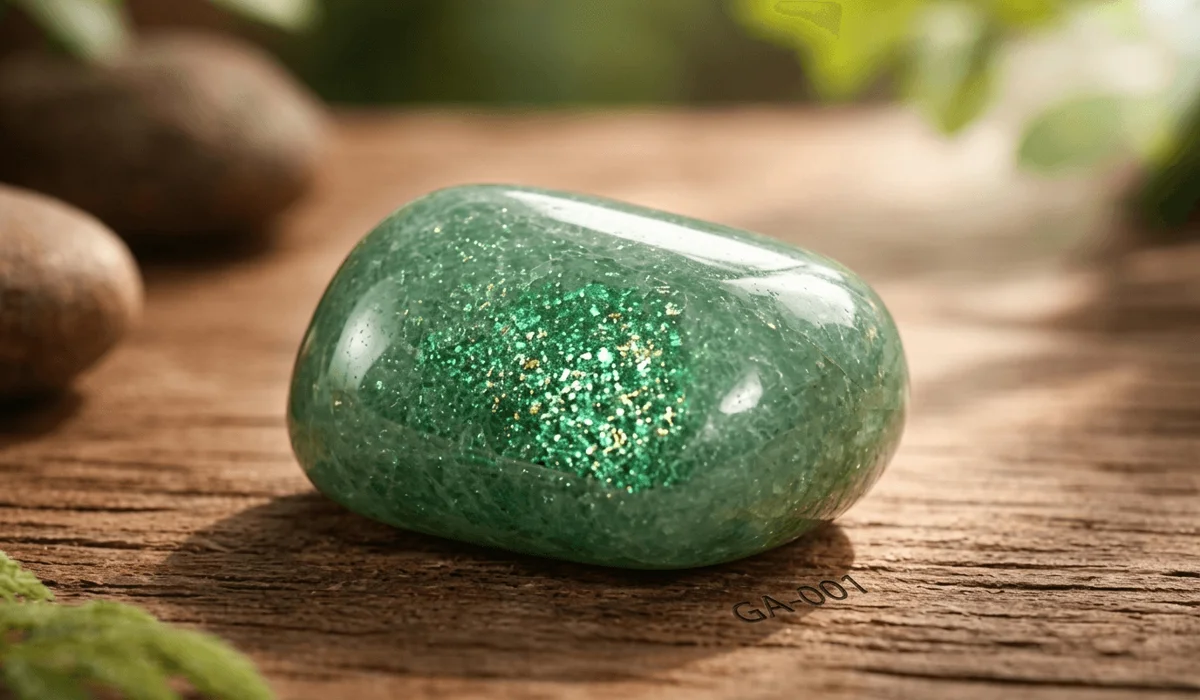
When we examine crystals in our jewelry workshop, Real vs. Fake Green Aventurine: The Aventurescence Test remains our most reliable method for fast verification. Aventurine is a natural translucent green quartz celebrated for its soft glow and glittering interior. Performing an optical test under a single light source reveals whether those sparkling flecks come from deep inside the stone or merely sit on the surface as cheap craft glitter.
Definition of Aventurine and the Aventurescence Optical Phenomenon
Mineralogists classify green aventurine as a macrocrystalline, translucent green quartz. The hallmark identifier of this mineral is the aventurescence optical phenomenon. This optical effect creates a glittering, metallic shimmer whenever light strikes tiny mineral plates embedded inside the crystal lattice.
Unlike synthetic stones with uniform exterior sparkle, natural aventurescence emanates from beneath the polished plane of the gem. Educational mineralogy studies from the Gemological Institute of America highlight that this natural glitter is an internal optical reflection rather than a surface coating. When you turn the stone slowly under a lamp, the tiny specks appear to dance and wink at different depths.
Video source: YouTube
Author: Gemological Institute of Genoa
Original video link: https://www.youtube.com/watch?v=Vu1m8GwdjAE
Origin & Geological Materials
Genuine green aventurine forms deep underground in high-temperature metamorphic rock zones over millions of years. The largest deposits are mined in India, Brazil, and Russia, where silica-rich fluids cool slowly beneath intense pressure. In India, miners often call this stone “Indian Jade” because of its soft green color, even though its mineral structure belongs entirely to the quartz family.
The signature green body color comes from chromium-rich fuchsite mica inclusions scattered throughout the silica. When iron or other trace elements enter the mix during formation, the stone can take on shades ranging from pale mint to deep forest green. These geological inclusions give the mineral a solid weight and substantial density that synthetic materials can never duplicate.
Basic Characteristics and Identifying Clues
A genuine stone exhibits subtle organic irregularities rather than a flawless, machine-stamped appearance. When we hand-polish raw aventurine beads, we notice delicate color shifts and faint milky clouds throughout each piece. An authentic stone presents a soft vitreous to waxy luster instead of an intense, mirror-like artificial sheen.
You can also check how the material reacts to room temperature. A true quartz gemstone feels distinctly cold against your cheek and takes several seconds to warm up. In contrast, cheap plastic or acrylic imitations match room temperature instantly and feel surprisingly light in the palm of your hand.
Spiritual Meaning & Symbolism
Beyond its physical geology, green aventurine carries a rich history of folklore and energetic symbolism. Many people value this stone as a daily companion for emotional balance and optimistic focus. Understanding the cultural heritage of your crystal helps you connect more deeply with its calming presence.
Traditional Symbolism
In classical crystal lore, green aventurine is affectionately called the “Stone of Opportunity.” Metaphysical traditions teach that it acts as a gentle magnet for good fortune, prosperity, and personal growth. Seekers often keep a tumbled stone in their pocket when starting a new career path or making an important life investment.
Many practitioners believe the stone inspires natural confidence and eases the fear of the unknown. Rather than promising overnight miracles, it serves as a mindful reminder to stay open to unexpected opportunities. It represents the quiet renewal of nature, echoing the lush vitality of spring leaves after a long winter rain.
Chakra Associations
In holistic energy traditions, green aventurine connects directly with Anahata, the Heart Chakra. This energy center governs compassion, self-acceptance, emotional recovery, and relationship harmony. You can explore deeper energetic associations in our guide on Crystal Meanings And Symbolism to see how quartz varieties support daily balance.
Using an authentic crystal for chakra meditation ensures that your sensory experience feels grounded and natural. When a stone feels cold and smooth, it helps center your thoughts and calm physical tension. Meditating with green aventurine encourages you to let go of old emotional barriers and embrace peaceful receptivity.
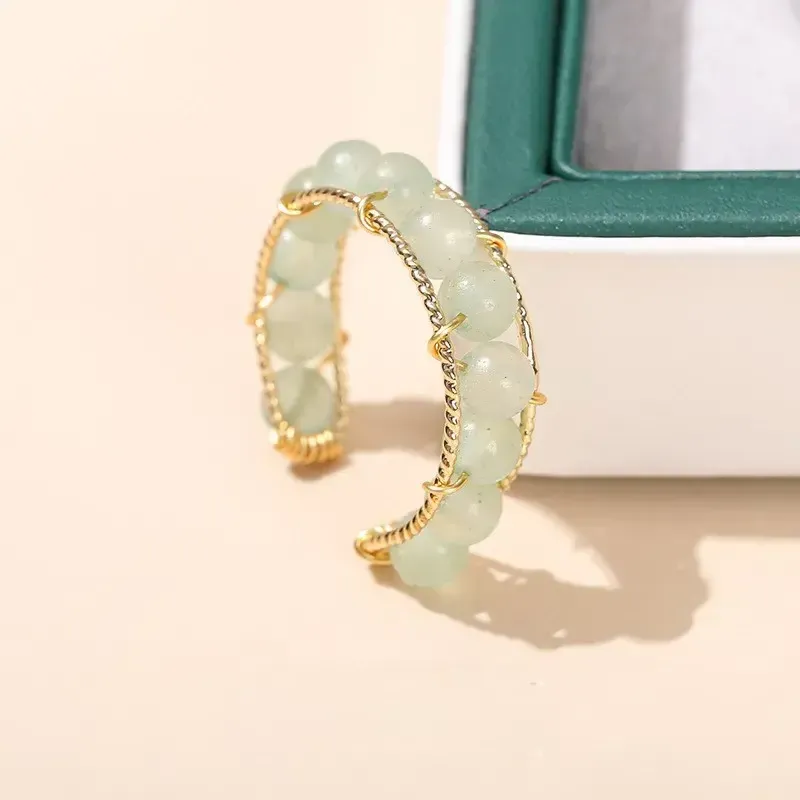
Green Aventurine 14K Gold Ring – Attract Prosperity, Calm the Mind & Seize New Opportunities
- 💎 Gemstone: Natural Green Aventurine (Grade AA+)
- ✨ Features: 14K Gold Filled, adjustable open-ring design, hypoallergenic, and tarnish-resistant
- 📏 Dimensions: Bead Size: 0.15″ – 0.16″ (4mm); Ring Band: Adjustable
- ✋ Wearing Position: Left hand to receive wealth energy and attract luck; Right hand to project calm and release anxiety.
Cultural and Historical Context
Ancient cultures honored green aventurine for its protective charm and soothing visual appearance. In ancient Tibet, artisans set pieces of aventurine into the eyes of sacred statues to symbolize divine vision and sharp inner clarity. Travelers also wore carved aventurine amulets to guard against physical exhaustion during long trade journeys.
In classical Feng Shui, green aventurine aligns closely with the Wood element. The Wood element represents family health, new beginnings, upward expansion, and creative abundance. Placing a small cluster or bowl of tumbled stones in the east or southeast sector of your home invites continuous harmony and balanced growth.
Benefits & Intentions Associated with Green Aventurine
Many of our studio clients share how working with authentic green aventurine brings a sense of structure to their daily mindfulness routines. When you pair a physical stone with a clear personal intention, the tactile sensation serves as an anchor for your thoughts throughout the day.
Commonly Associated Intentions
People turn to green aventurine to cultivate a mindful mindset around career growth and wealth creation. Holding the stone can help you pause before big meetings and focus on clear communication. It encourages you to welcome success with humility while maintaining strong professional boundaries.
The stone also provides comfort during emotionally turbulent seasons or abrupt life transitions. By focusing on its cool weight, you can soften stubborn irritability and regain perspective. Many individuals also use it to balance generous care for others with healthy self-care habits.
Mindfulness & Personal Practices
Integrating green aventurine into your personal routine does not require complicated rituals. A few simple minutes of intentional connection each morning can set a grounded tone for your entire day. Here are three effective mindfulness practices that we recommend in our daily workshops:
- 🌿 Hold your tumbled stone in your left palm while taking five slow, grounding belly breaths.
- 💎 Place a smooth palm stone on your work desk as a quiet cue to pause, breathe, and release shoulder tension.
- 🌿 Rest the stone gently on your chest during supine meditation to bring gentle awareness to the heart center.
Daily mindfulness ideas shared by the Holistic Wellness Community also highlight how tactile touchstones reduce mental stress during busy afternoons. When your fingers trace the cool, waxy curves of genuine quartz, your nervous system receives an immediate signal to settle down.
How to Wear Green Aventurine for Everyday Balance
Wearing green aventurine jewelry is one of the most effortless ways to keep its gentle reminder close at hand. Depending on which wrist you choose, you can direct its symbolic energy inward toward personal healing or outward toward career actions.
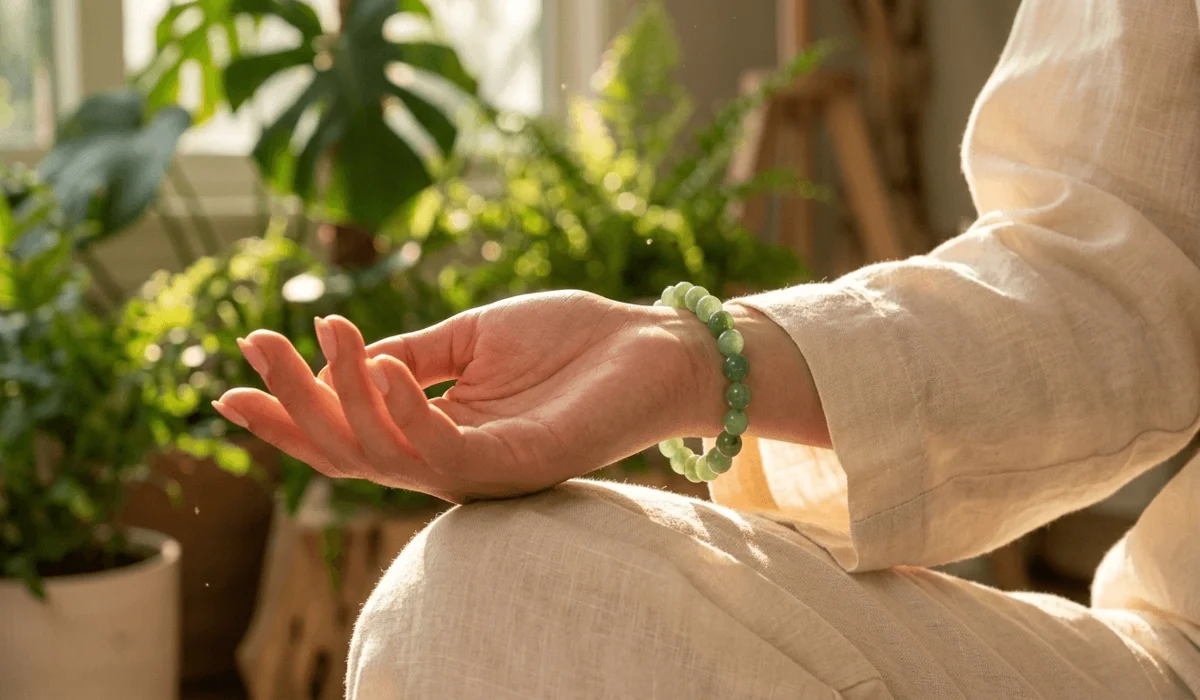
Left Hand vs Right Hand (Feng Shui Logic)
In traditional Eastern philosophy and Feng Shui principles, the left and right sides of your body serve distinct energetic roles. The left side is known as the receptive hand, absorbing ambient Chi(气)and nurturing inner emotional peace. Wearing a green aventurine bracelet on your left wrist supports self-forgiveness, emotional recovery, and quiet intuition.
Conversely, the right side represents the projective or active hand, directing energy outward into the physical world. Wearing your gemstone beads on the right wrist supports active negotiation, leadership tasks, and confident decision-making. You can alternate wrists throughout the week based on whether you need inner soothing or outward motivation.
When People Choose to Wear It
Many people wear green aventurine during major life changes, such as starting a business or moving to a new home. It acts as an energetic steadying presence when you step into unfamiliar social or professional territory. Its serene green tones blend seamlessly with relaxed natural clothing styles.
Others choose to wear aventurine during mindful nature walks or morning breathwork sessions. The translucent green beads catch the morning sunlight, creating a cheerful visual boost. It also serves as a grounding shield when traveling through crowded airports or bustling urban subways.
Intention-Setting Practices
Before putting on your gemstone bracelet each morning, take ten seconds to set an intention. Hold the piece between both palms, close your eyes, and choose a single guiding thought like calm clarity or open-hearted gratitude. This simple ritual transforms your jewelry into a meaningful touchstone for daily living.
To explore handcrafted beaded bracelets and mindful pendants made from certified natural stones, browse our Green Aventurine Jewelry Collection. Choosing ethically sourced natural minerals ensures your jewelry carries genuine geological weight and lasting beauty.
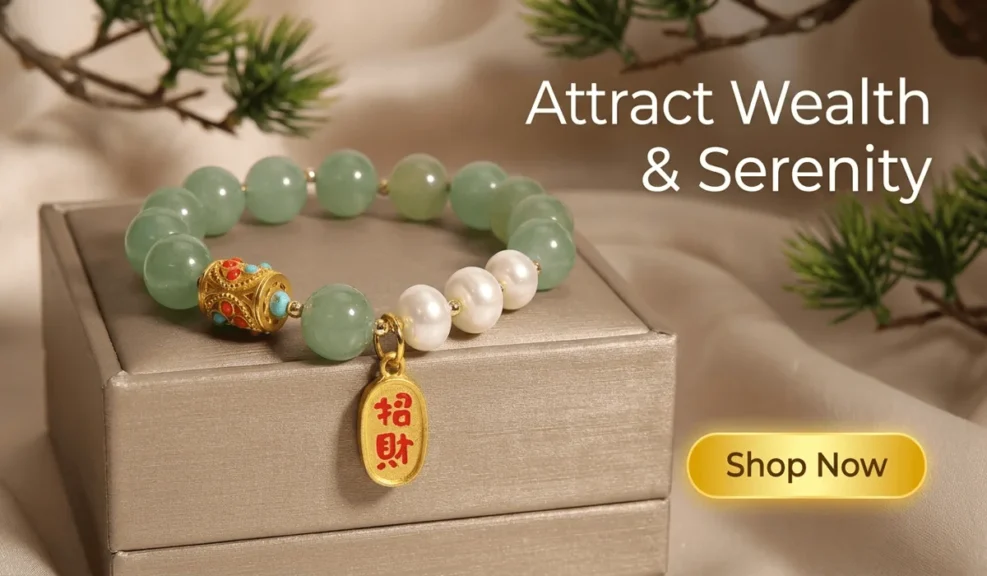
Green Aventurine vs Similar Stones and Imitations
Because green aventurine remains so popular, imitation stones frequently appear in budget jewelry lots and unverified online stores. Some sellers also confuse aventurine with genuine jade or substitute cheap dyed rocks. Learning to spot these differences protects your investment and ensures authentic practice.
Green Aventurine vs Green Jade
Green aventurine and genuine green jade share an attractive green color, but their underlying structures are completely different. Aventurine is a macrocrystalline quartz filled with glittering mica flakes that produce internal shimmer. Jade, whether nephrite or jadeite, is an interlocking silicate mineral known for its fibrous, dense toughness.
When viewed under natural daylight, jade displays a soft, oily glow without any glittering specks inside. Aventurine, on the other hand, reveals sparkling metallic platelets whenever you turn it under a direct light beam. While jade symbolizes timeless wisdom and pure balance, aventurine carries themes of active growth and opportunistic energy.
| Mineral Property | Genuine Green Aventurine | Green Jade (Nephrite/Jadeite) | Dyed Quartz / Glass Imitation |
|---|---|---|---|
| Mineral Classification | Silicon Dioxide (Quartz) | Silicate (Amphibole or Pyroxene) | Dyed Silica or Amorphous Glass |
| Mohs Hardness | 6.5 to 7.0 | 6.0 to 6.5 (Nephrite) / 6.5 to 7.0 (Jadeite) | 5.5 (Glass) to 7.0 (Quartz) |
| Optical Sparkle | Internal metallic aventurescence | None (Smooth, waxy or greasy) | None, or external craft glitter |
| Internal Inclusions | Microscopic fuchsite mica plates | Dense interlocking fibrous grains | Dye pools in fractures or round air bubbles |
| Thermal Feel | Cool touch, slow to warm | Distinctly cold, smooth texture | Warms rapidly in palm |
Green Aventurine vs Dyed Quartz and Colored Glass
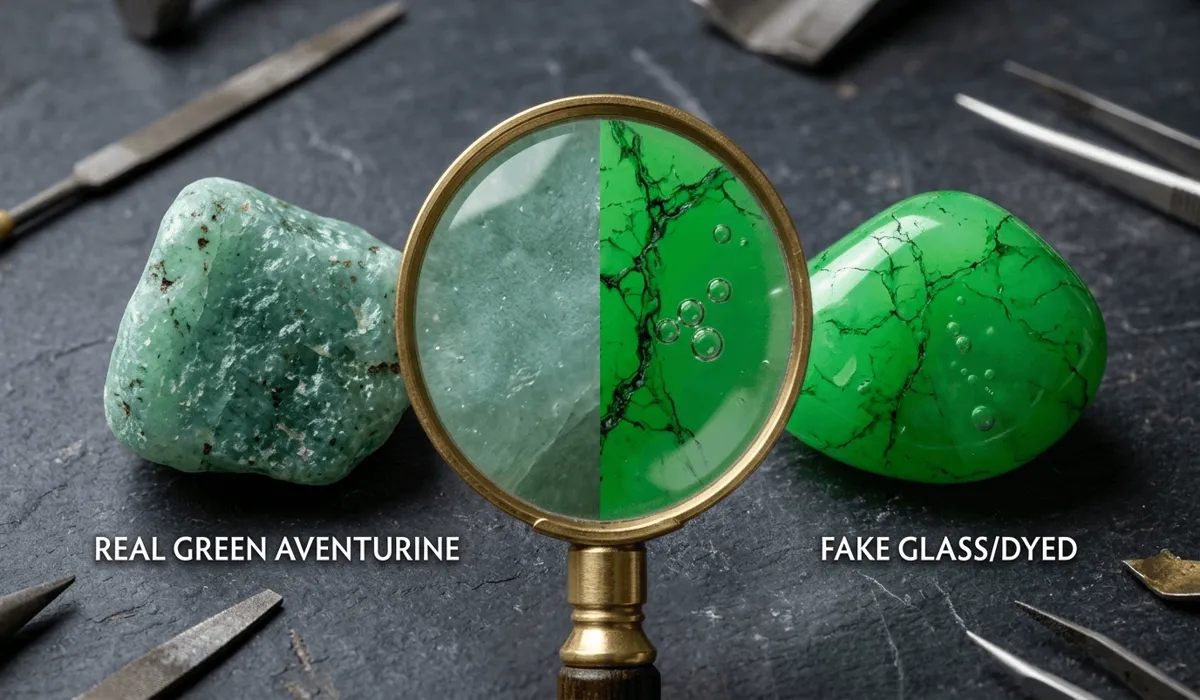
The two most common fakes on the market are dyed quartzite and colored glass beads. To create dyed quartzite, factories quench inexpensive white quartz in intense chemical baths. If you inspect dyed quartz under a 10x jeweler loupe, you will see bright green color pooling inside fractures and surface cracks.
Testing for dye artificially added to stones follows methods similar to our Lapis Lazuli Acetone Test, where chemical solvents reveal artificial coatings. Glass fakes, on the other hand, often contain microscopic round air bubbles trapped beneath the surface. Natural quartz forms under intense underground pressure where spherical air bubbles simply cannot exist.
Studio Observation: “Whenever we inspect cheap crystal lots, the giveaway is always the fracture lines. Real stones distribute their green hue through mineral inclusions, whereas fake quartz shows dark, unnatural dye veins pooled along every single internal crack.”
Who Is Green Aventurine Suitable For?
Because green aventurine offers such balanced, gentle vibrations, it suits people from all walks of life. Whether you practice meditation daily or simply want an elegant natural gemstone, this crystal brings grounded encouragement to your personal routine.
Chakra or Energy Alignment
This mineral is ideal for anyone working through emotional exhaustion or feeling guarded in their relationships. Its soothing frequency helps calm nervous energy without inducing lethargy. It gently supports the Heart Chakra, allowing you to process heavy feelings with kindness and patience.
Individuals who work in high-stress caregiving roles—such as nurses, counselors, and teachers—often find aventurine deeply restorative. It helps maintain emotional empathy while preventing burnout. Wearing the stone creates a comforting boundary between your own peace and outside emotional demands.
Zodiac or Astrological Associations
In astrological traditions, green aventurine shares a strong affinity with Earth signs, especially Taurus and Virgo. Taurus natives appreciate its earthy connection to abundance, organic growth, and tangible security. For analytical Virgos, the stone eases excessive self-criticism and encourages quiet self-compassion.
Water signs, particularly Cancer, also benefit from the stone’s stabilizing and nurturing presence. Its gentle energy soothes sensitive emotional currents and fosters feelings of safety at home. Even if your sun sign is not an Earth sign, anyone drawn to the refreshing color of green quartz can wear it comfortably.
Lifestyle & Personal Intentions
Entrepreneurs, freelancers, and students building new ventures often look to green aventurine as a touchstone for focus. It reminds you to stay persistent through the slow beginnings of any creative project. Keeping the stone nearby helps curb impatience and maintain steady forward momentum.
Writers, artists, and designers experiencing creative blocks also turn to this mineral to spark fresh enthusiasm. Its vibrant green tone inspires new concepts and encourages free-flowing creative expression. It suits anyone seeking to weave conscious intention into their daily habits.
How to Cleanse, Charge, and Care for Green Aventurine
Caring for your crystal jewelry properly preserves its polished surface and honors the natural beauty of the earth. Because quartz is a durable mineral, simple gentle maintenance keeps your stones looking brilliant for many years.
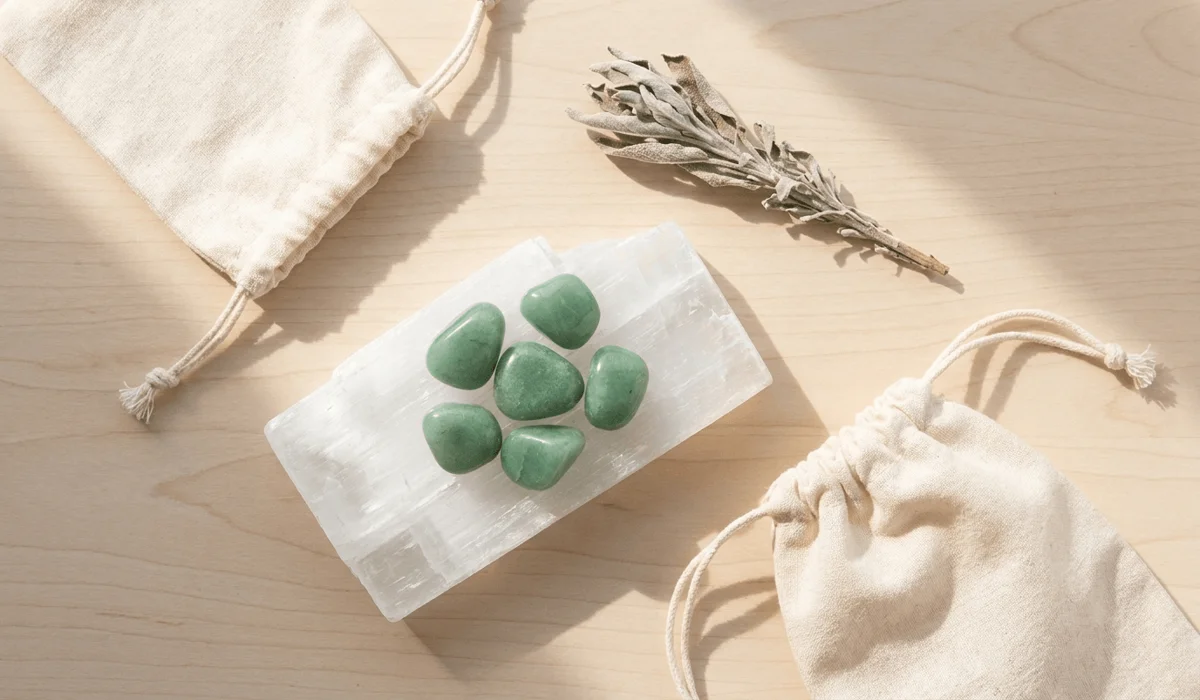
Cleansing Methods
After wearing your crystal jewelry through busy workdays, clearing away stagnant residue refreshes its energetic feel. You can choose from several gentle, non-destructive cleansing traditions depending on your personal preference:
- 🌿 Wave botanical smoke from dried white sage or sweetgrass around your crystal beads for thirty seconds.
- 🔮 Expose the stone to the pure acoustic frequencies of a singing bowl or brass tingsha chime.
- 💎 Rinse the gemstone under cool, clean tap water for twenty seconds, then dry immediately with a soft cloth.
If your aventurine is strung on elastic cord or set in sterling silver, avoid long water soaks to protect the stringing material. Thoroughly dry every bead with a clean lint-free cloth after any water contact.
Charging Practices
Charging your stone simply means placing it in an environment that restores its symbolic vitality and shine. A favored method is setting your crystals on an authentic selenite charging plate overnight. Selenite provides a soft, passive clearing energy that requires no physical water or intense sunlight.
You can also place your green aventurine on an outdoor windowsill during the waxing or full moon. The soft moonlight refreshes the stone without exposing its delicate color to harsh ultraviolet rays. Alternatively, nestling the stone atop the rich soil of a healthy houseplant reconnects it directly with elemental Wood energy.
Daily Care & Storage
Green aventurine rates between 6.5 and 7 on the Mohs hardness scale, making it relatively scratch-resistant for daily jewelry wear. However, professional care guidelines from the Gemmological Association of Britain recommend storing natural quartz separate from harder stones like sapphires or diamonds to prevent surface abrasions.
Keep your pieces stored safely inside a soft velvet pouch or padded jewelry compartment when not in use. Avoid using harsh chemical cleaners, bleach, or ultrasonic jewelry machines on your aventurine. Simple warm water and mild soap are all you need to keep your natural beads clean and luminous.
“Caring for natural minerals is a mindful practice in itself. When you clean and inspect your stones with care, you build a lasting personal connection with the natural world.”
Frequently Asked Questions
Q: how to tell if green aventurine is real or fake
A: Look closely at the stone under a bright flashlight or natural sunlight to verify internal metallic glitter. Genuine aventurine displays uneven, organic color zones with delicate mineral specks rather than solid uniform green. You should also check for microscopic round air bubbles, which immediately identify a glass counterfeit.
Q: step by step aventurescence test at home
A: First, hold your clean stone directly beneath a focused single-source desk lamp or phone flashlight. Next, tilt and rotate the crystal slowly at shallow angles while looking just beneath the polished surface. Genuine fuchsite mica inclusions will flash like tiny silver-green mirrors as the light catches them. If the sparkle is purely on the exterior or does not flash as you tilt the stone, it is likely an imitation.
Q: how to spot dyed quartz masquerading as aventurine
A: Examine the surface of the stone using a magnifying glass or 10x jeweler loupe under direct light. In dyed quartz, chemical green dye pools along microscopic fissures, creating dark, intense pigment veins in the cracks. Real green aventurine possesses an even mineral body where color comes from natural flakes rather than concentrated dye fractures.
Q: what causes the sparkle in real green aventurine
A: The characteristic sparkle is caused by chromium-rich fuchsite mica inclusions suspended inside the quartz matrix. Because these tiny mica plates are completely flat, they act like microscopic mirrors when light enters the translucent stone. Geologists refer to this internal reflection effect as the aventurescence optical phenomenon.
Q:What is safe non damaging tests for genuine aventurine
A: Touch the stone directly to your cheek or wrist to feel its temperature, as real quartz feels instantly cold and takes time to warm. You can also evaluate the specific gravity by holding the piece in your palm to confirm it has natural mineral heft rather than lightweight plastic feel. Finally, inspect the piece under a magnifying glass to check for organic mineral veining without scratching or damaging the polish.
Conclusion
Distinguishing genuine green aventurine from cheap counterfeits comes down to observing internal sparkle, thermal coolness, and natural mineral texture. Performing the simple aventurescence test at home lets you verify the true geological identity of your crystals without risking any damage to their polished finish. By choosing genuine minerals shaped by the earth over millions of years, you honor the authentic spirit of your mindfulness and jewelry collection.
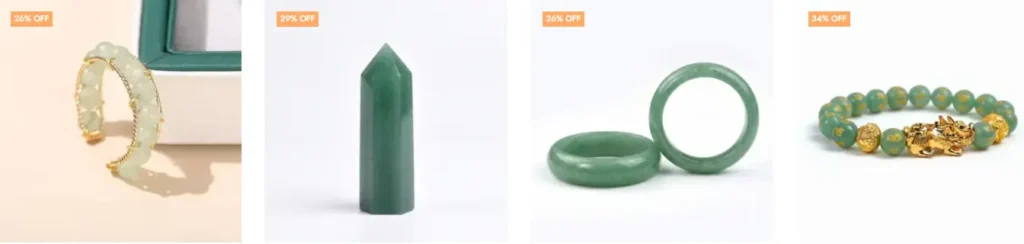
Take a quiet moment today to inspect your own stones with fresh appreciation and curiosity. Cherishing the subtle imperfections and glittering mica flecks of real green aventurine connects your daily routine to the enduring beauty of our planet. We invite you to explore thoughtfully verified gemstones and bring the soothing, vibrant energy of true quartz into your sacred space.
The information provided in this article is published purely for educational, cultural, and informational purposes. Gemstone meanings and Feng Shui concepts reflect traditional cultural symbolism and should never substitute for certified medical, psychological, financial, or legal advice. If you face serious health concerns or financial decisions, please consult a licensed healthcare provider or certified professional.

Written by the Buddha Bodhis Team
Since 2020, we have been devoted to exploring traditional year-based wisdom, classical Feng Shui principles, and the rich spiritual symbolism rooted in Eastern cultural heritage. Our work bridges ancient metaphysical systems with modern life, interpreting annual cycles, elemental energies, and symbolic meanings to offer thoughtful insight and practical guidance. Through continuous research and practice, we aim to preserve traditional knowledge while making it accessible, relevant, and meaningful for contemporary seekers of balance, intention, and personal growth.
TikTok | YouTube | Pinterest | X
buddhabodhis@gmail.com